
The basic guide to Museum Showcase Glass
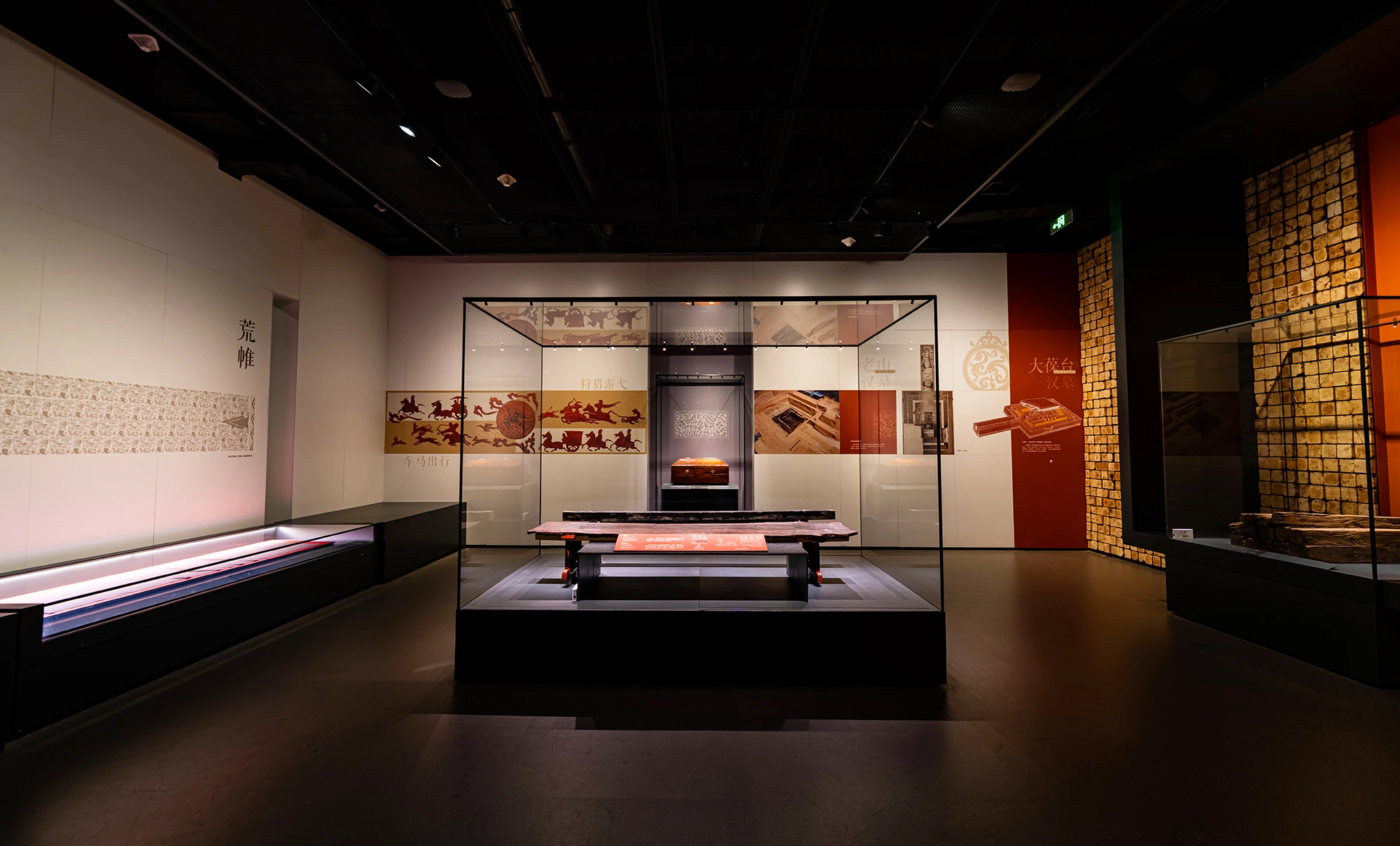
As museums continue to modernize, the glass used in display cases has undergone a remarkable transformation to meet ever-evolving requirements for safety, visibility, and artifact preservation.
The shift from basic transparent materials to specialized, high-performance glass highlights the strides made in exhibition technology.
The Journey of Museum Showcase Glass
Historically, glass in museum showcases was chosen primarily for its transparency, allowing visitors to view artifacts clearly.
However, this simplicity came with significant drawbacks: fragility, high reflectivity, and poor safety standards.
For instance, the use of tempered glass initially addressed breakage concerns, offering 4–5 times the strength of ordinary glass.
Yet, its tendency for spontaneous breakage posed risks to both artifacts and visitors.
Moreover, the reflective surfaces and visual distortions of tempered glass detracted from the viewing experience.
Today, specialized laminated glass has become the standard for museum showcases.
Its multi-layered structure combines strength and flexibility, providing enhanced protection against impact while minimizing risks during breakage.
Laminated glass also includes safety interlayers that prevent shards from scattering, ensuring the safety of both exhibits and visitors.
Key Types of Modern Museum Glass
Modern museum showcase glass is designed to balance safety, visibility, and artifact protection. The three primary types include:
- Ultra-Clear (Low iron) Laminated Glass
This glass is crafted by sandwiching resin films between two sheets of ultra-clear glass, then applying heat and pressure to bond them.
By significantly reducing iron content, ultra-clear glass eliminates the greenish tint found in traditional glass, offering greater transparency and accurate color reproduction.
- Low-Reflection Laminated Glass
With its ability to minimize glare while maintaining high light transmittance, low-reflection laminated glass is ideal for exhibits under specialized museum lighting.
Its compatibility with artifact-focused lighting environments makes it a growing trend in museum display cases.
- Bending Resistant Glass
Over time, traditional glass may bend under its own weight or due to pressure from frame materials, compromising seal integrity and aesthetics.
Bending resistant glass, made with ion-strengthened interlayers, resists deformation while enhancing both durability and display quality, making it especially suitable for large, wall-mounted, wall cases, or freestanding showcases.
Benefits of Laminated Glass
Laminated glass offers multiple benefits tailored to museum requirements:
- Safety and Durability: Its ability to absorb and disperse impact ensures protection for artifacts during unforeseen accidents.
- UV Protection: The interlayers block harmful ultraviolet rays, safeguarding sensitive materials like textiles, paper, and organic artifacts from deterioration.
- Enhanced Visibility: Reduced glare and improved light transmission enhance the viewing experience.
- Ease of Maintenance: Long-term stability minimizes maintenance challenges, ensuring consistent environmental control.
Applications in Leading Museums
Many renowned institutions have adopted these advanced glass solutions:
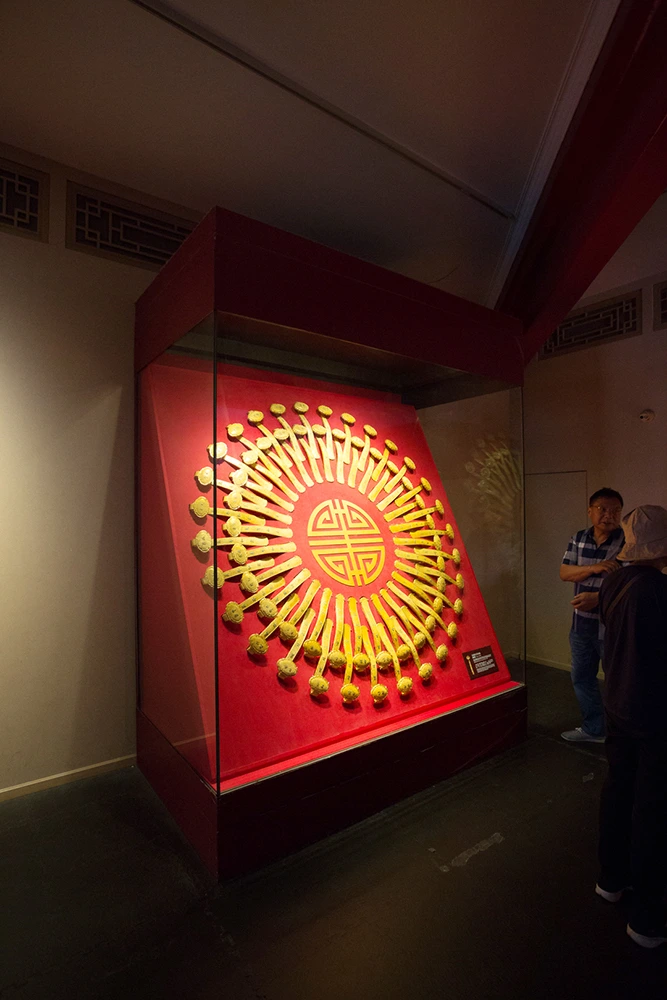
- The Palace Museum: Pioneering the use of huge bending-resistant anti-reflection glass, the museum ensures both the security and stunning presentation of its treasures.
- The Military Museum of the Chinese People’s Revolution: By incorporating bending resistant glass, the museum resolved issues related to large showcase panels, maintaining air-tightness and aesthetics.
- Hunan Museum: This institution selected anti-reflection glass for its ability to create a solemn and immersive exhibition atmosphere.
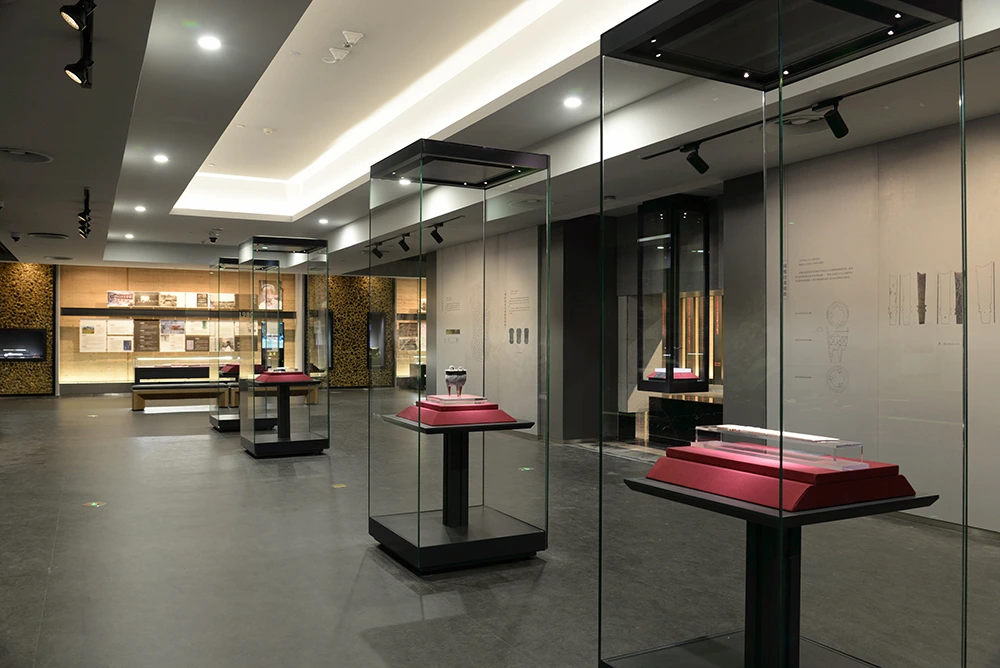
- Erlitou Site Museum of the Xia Capital: Following the success of early adopters, this museum demonstrates how regional institutions can benefit from cutting-edge glass technologies.
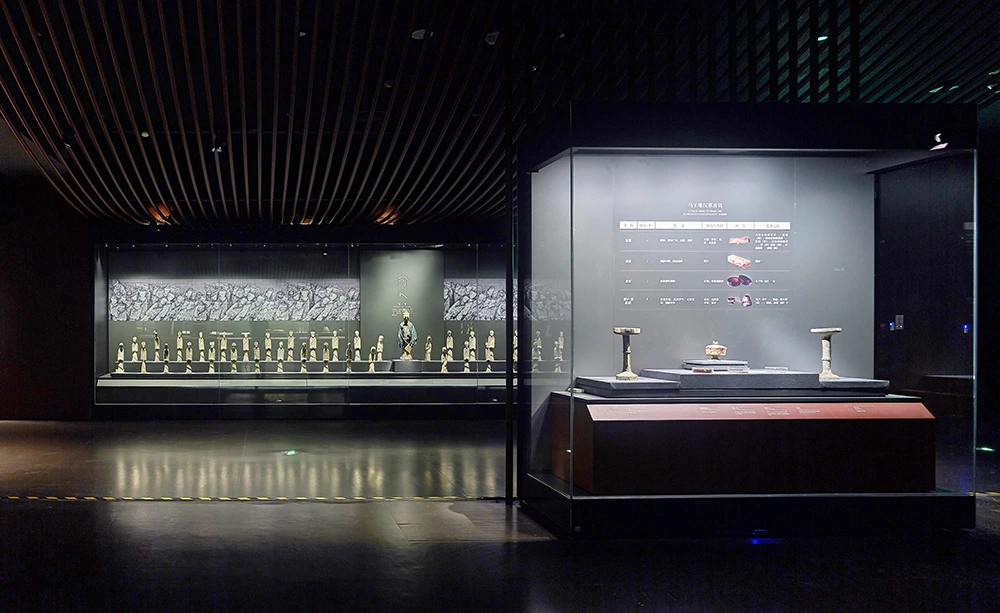
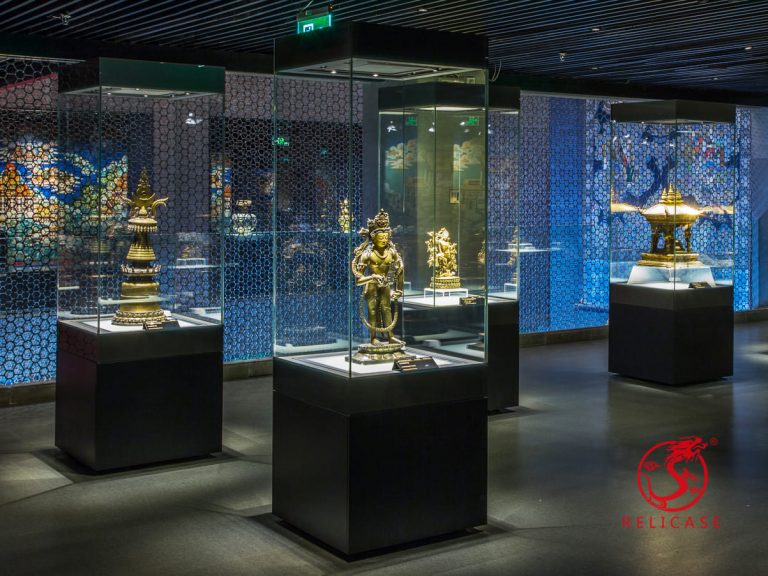
- Suzhou Museum West: Huge bending-resistant and low-reflection glass freestanding display cases.
The Future of Museum Showcase Glass
The evolution of museum showcase glass reflects the broader trend of integrating science and technology into cultural heritage preservation. Advanced materials like anti-warping low-reflection glass ensure that future generations can appreciate artifacts in their truest form, within environments that prioritize safety and visual excellence.
As innovations continue, the possibilities for enhancing museum display solutions will expand, driven by the goal of creating ever more inspiring and accessible cultural experiences.
More Articles:
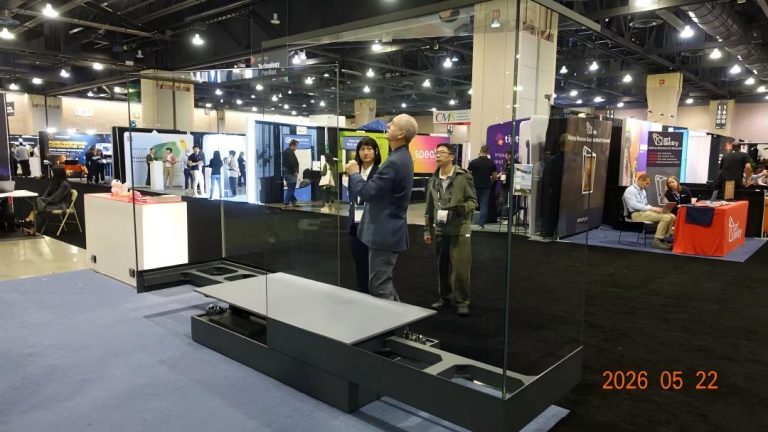
Relicase Debuts at AAM Philadelphia: Showcasing Chinese Intelligent Manufacturing, Connecting Cultural Landmarks
From May 20 to 23, 2026, the 2026 Annual Meeting & …
Relicase: Exhibit in Dubai, Engage with the world.
On November 12th 2025, the 27TH ICOM GENERAL CONFERENCE…
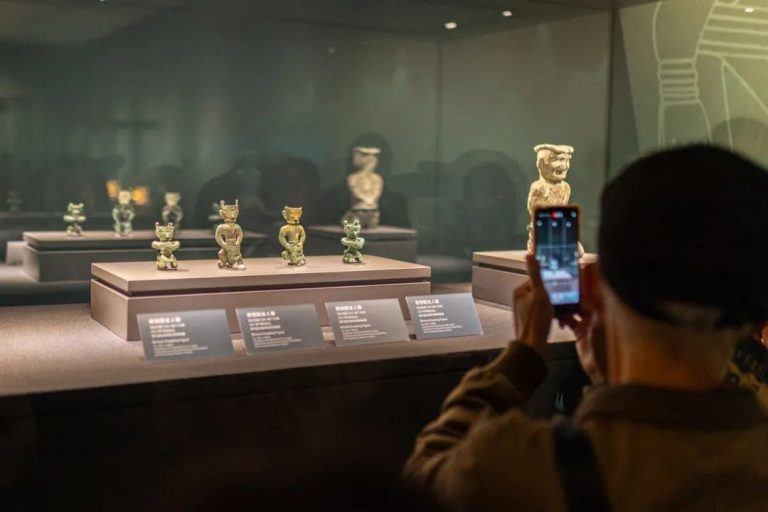
Museum Showcase Excellence: How Relicase Brought Ancient Shu Treasures to 300,000+ Visitors
Over 300,000 Visitors!Ancient Treasures of Shu Shine in…
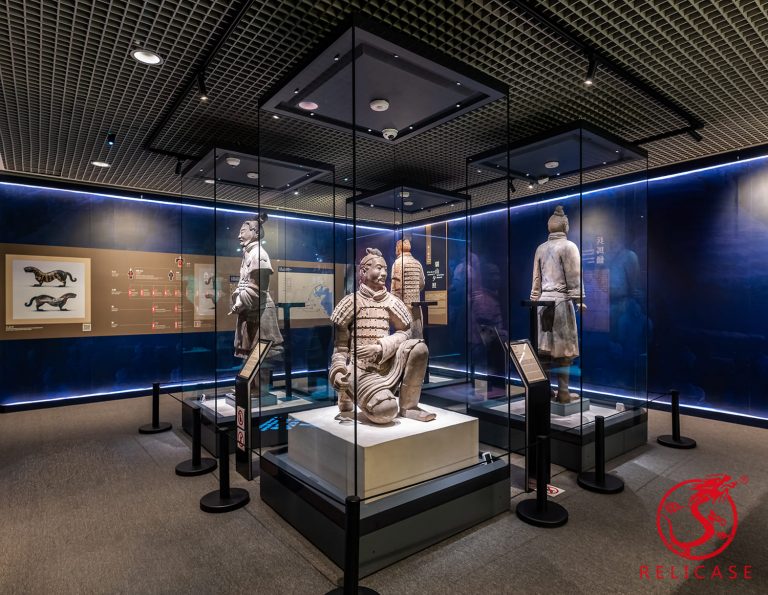
Relicase at Macau Museum: Safeguarding Heritage, Celebrating Legacy
Macau Museum: “Edification of the Masses — Cultur…
Potala Palace
Abstract On April 26, 2017, Relicase completed the show…
Porcelain Tower of Nanjing
Abstract The Porcelain Tower of Nanjing, named and cons…