
What are the ways of museum display
By integrating cultural relics (such as historical artifacts and artistic works), specimens (representing natural specimens like plants, animals, minerals, or fossils), and auxiliary exhibits (which may include interactive displays, models, diagrams, and explanatory materials), museums can effectively convey knowledge and information to visitors.
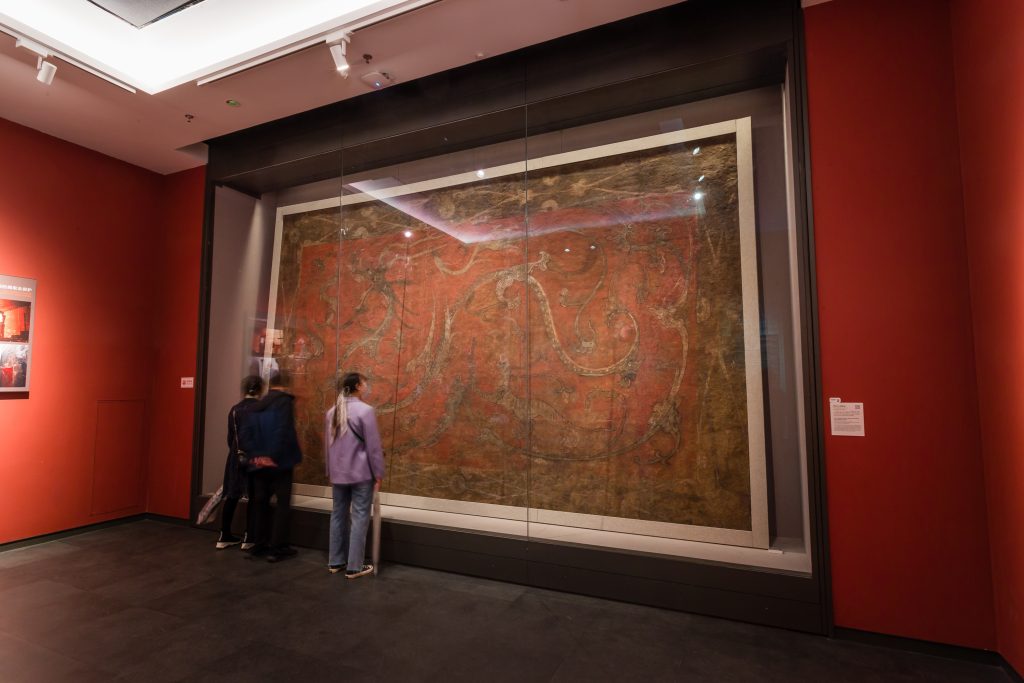
Museums display Exhibition are often categorized based on the types of collections or themes they exhibit.
Social History Exhibition: This category focuses on showcasing artifacts, documents, and exhibitions related to country’s historical events, eras, and specific cultures. It aims to provide insights into the country’s rich history, traditions, and societal developments.
Natural History Exhibition: This category explores country’s natural world and its diverse ecosystems. It exhibits specimens like fossils, minerals, plants, and animals found in China, highlighting its geological features, biodiversity, and environmental conservation efforts.
Art Exhibition: China has a long and vibrant artistic heritage, and art exhibitions in country’s museums often feature traditional Chinese art forms such as painting, calligraphy, ceramics, and sculpture. They may also include contemporary art displays, showcasing the work of Chinese artists and their contributions to the art world.
Science and Technology Exhibition: This category focuses on scientific concepts, discoveries, and technological advancements relevant to China. These exhibitions often cover a range of disciplines, such as physics, chemistry, biology, and engineering. They aim to educate visitors about every country’s cientific achievements and its contributions to technological progress.
It’s worth noting that museums , may have additional specialized categories or themes that reflect the unique aspects of country’s culture, history, or regional diversity. These categories can provide visitors with a comprehensive understanding of China’s past, present, and future in various domains.
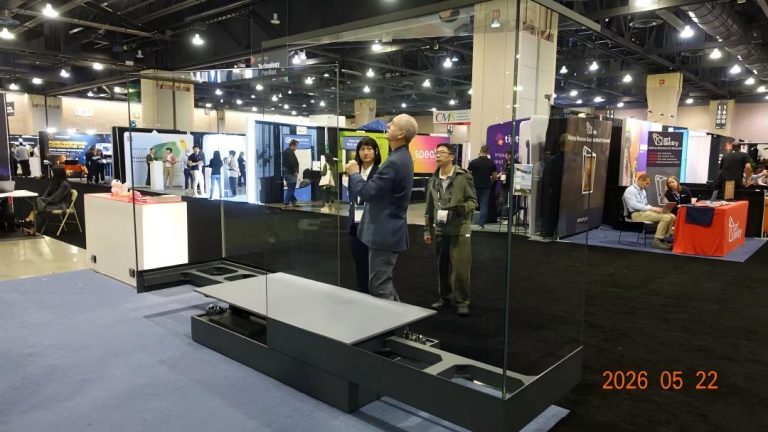
Relicase Debuts at AAM Philadelphia: Showcasing Chinese Intelligent Manufacturing, Connecting Cultural Landmarks
From May 20 to 23, 2026, the 2026 Annual Meeting & …
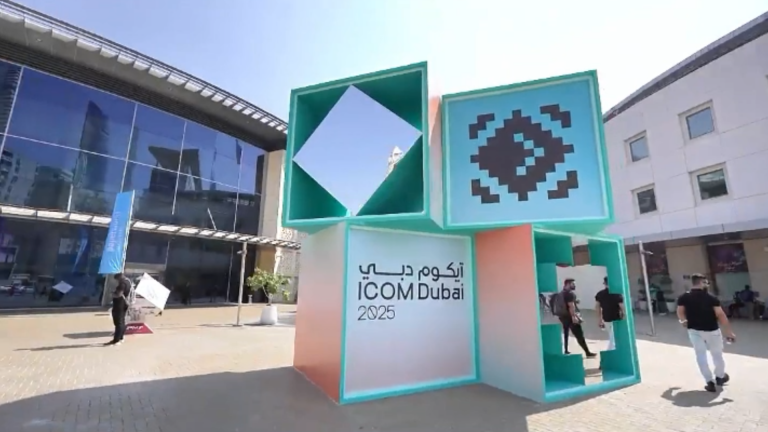
Relicase: Exhibit in Dubai, Engage with the world.
On November 12th 2025, the 27TH ICOM GENERAL CONFERENCE…
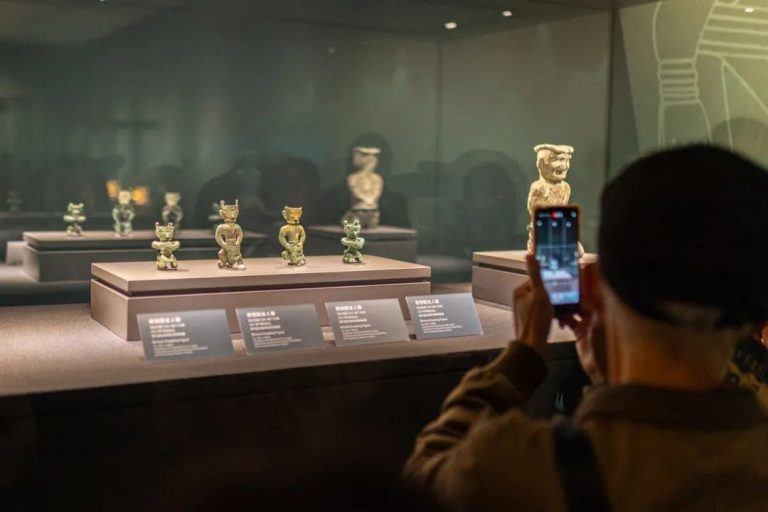
Museum Showcase Excellence: How Relicase Brought Ancient Shu Treasures to 300,000+ Visitors
Over 300,000 Visitors!Ancient Treasures of Shu Shine in…
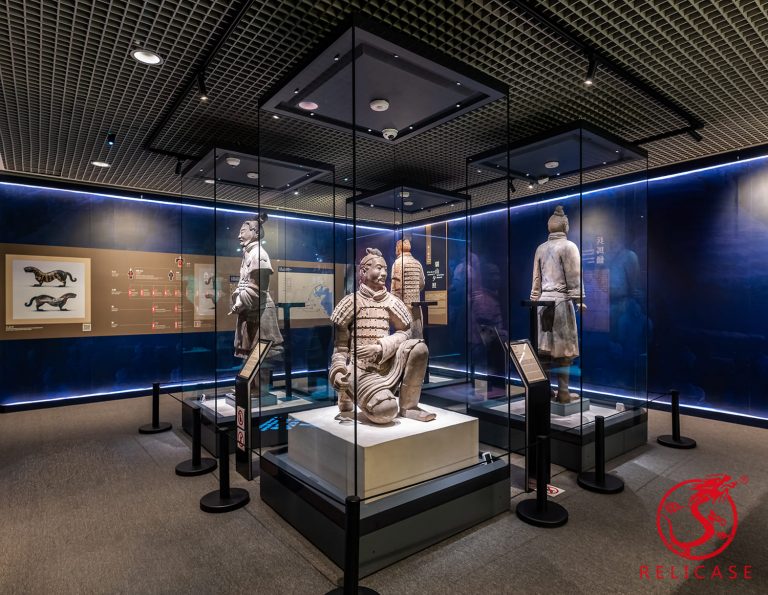
Relicase at Macau Museum: Safeguarding Heritage, Celebrating Legacy
Macau Museum: “Edification of the Masses — Cultur…
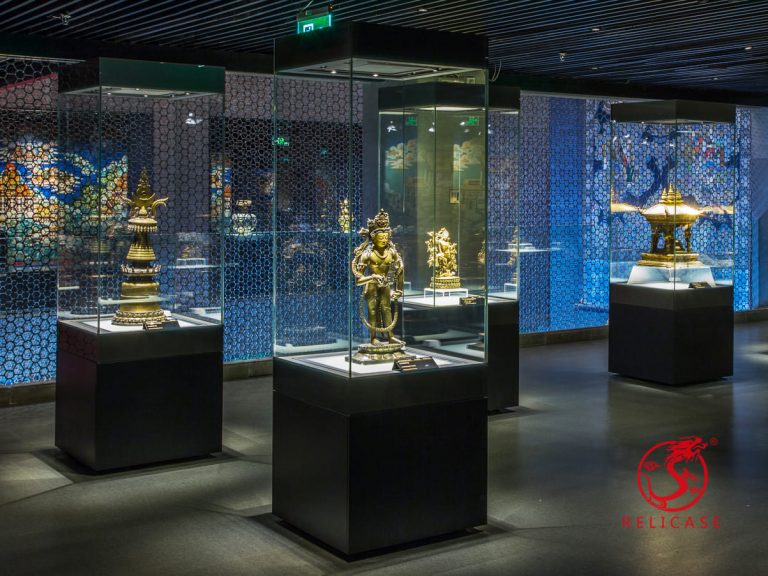
Potala Palace
Abstract On April 26, 2017, Relicase completed the show…
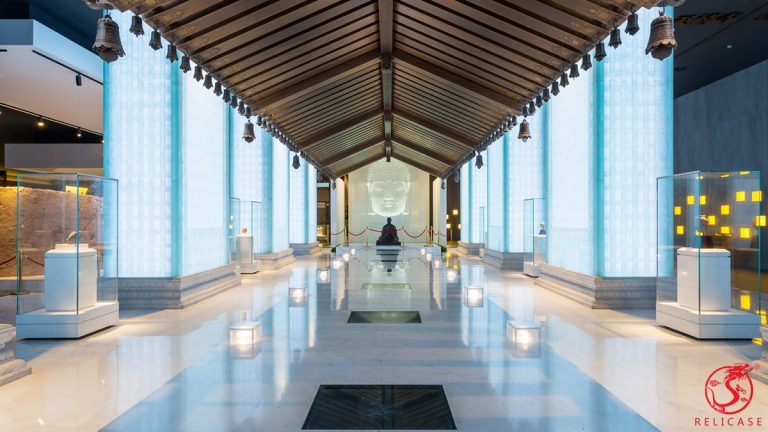
Porcelain Tower of Nanjing
Abstract The Porcelain Tower of Nanjing, named and cons…