
Display Case Project Research: French Pavilion Shanghai Expo 2010
Project Introduction
Architect: Jacques Ferrier Architectures
Scenography Engineering: Scenos-associes
Vitrines Design: Scenos-associes
Vitrines Fabricate & Installation: Relicase
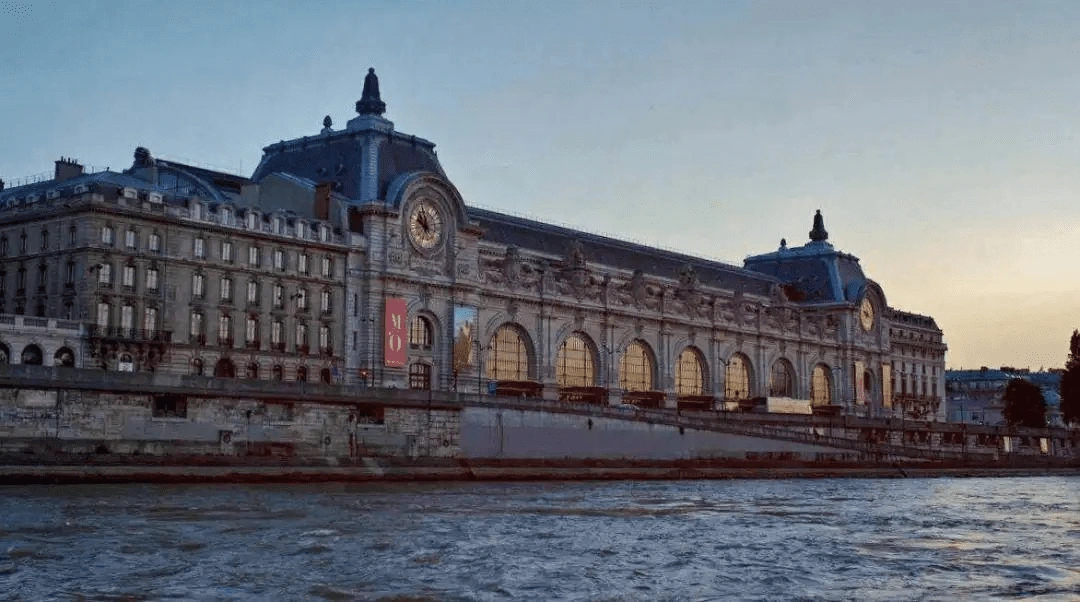
Originally constructed as a train station for the 1900 World Fair, the Musée d’Orsay is situated in Paris on the left bank of the Seine River.
It has served as a hotel, auction house, and post office for the last 100 years.
Together with the Louvre and the Pompidou Center, it is currently regarded as one of the most significant museums of Impressionist art in the world, constituting the top three art institutions in Paris.
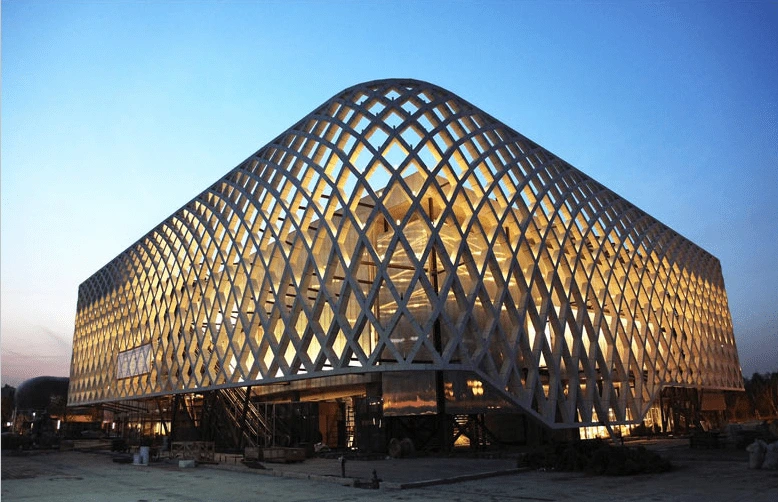
At the 2010 Shanghai World Expo, seven national treasures from the Musée d’Orsay were specially approved by the French government to be exhibited at the French Pavilion.
Among these were the sculpture *The Age of Bronze* by Rodin and masterpieces by Impressionist artists such as Millet’s *The Angelus*, Van Gogh’s *The Dance Hall in Arles*, Gauguin’s *The Meal*, Cézanne’s *Woman with a Coffee Pot*, Manet’s *The Balcony*, and Bonnard’s *The Box*.
This was the first time all seven pieces left France together.

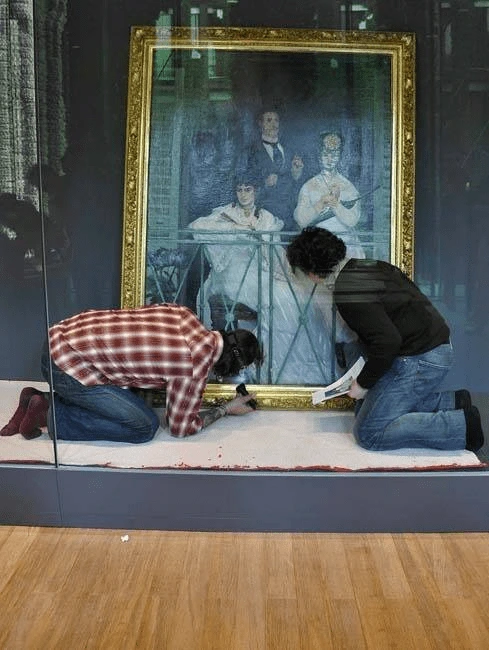
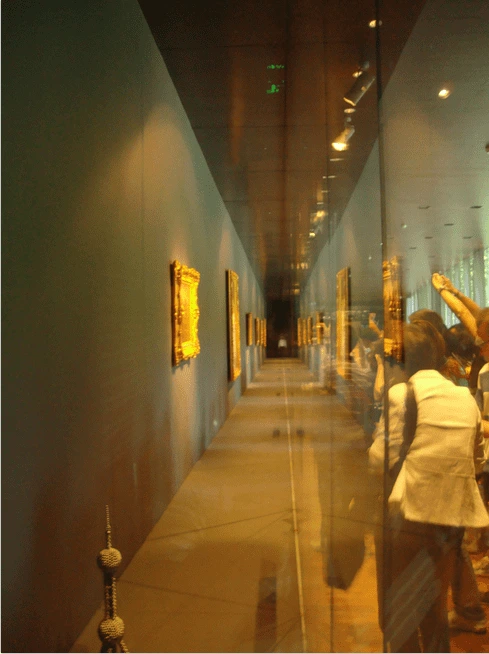
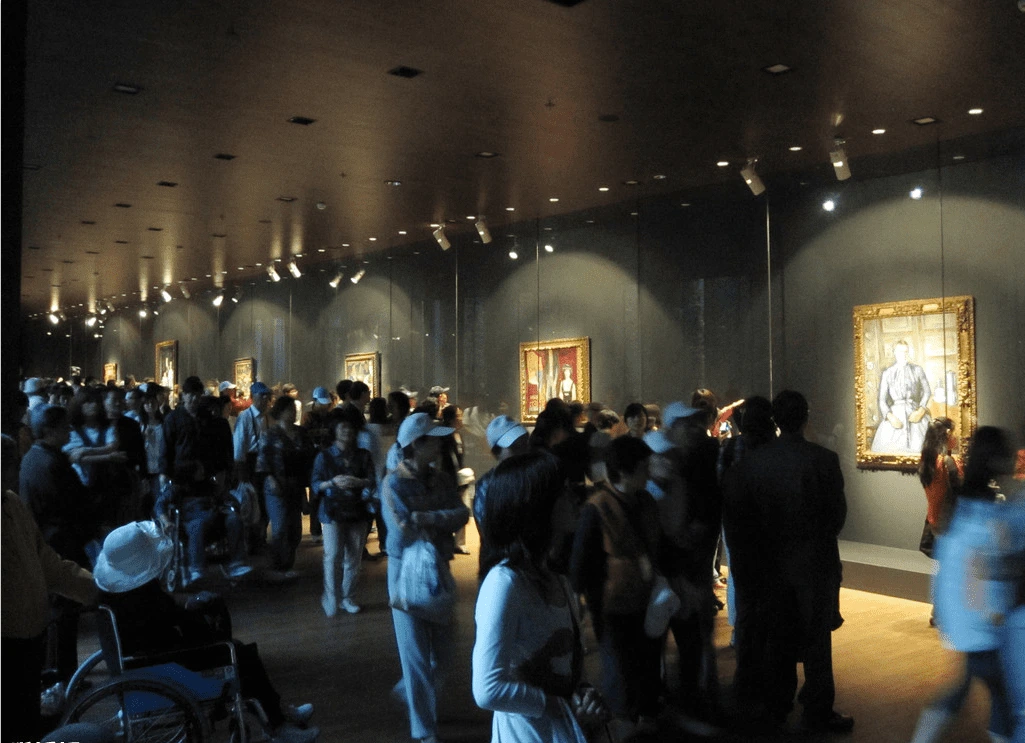
Relicase had the honor of providing all the display cases for the French Pavilion at the Expo, silently protecting these priceless treasures from afar.
The seven treasures were displayed on a sloped path at the top exhibition area of the French Pavilion. The creative architectural design presented a challenge for Relicase: the total length of the display case was 36.152 meters and had to be placed on a slope with a 3.9-degree incline. The challenge was that the glass and back panel divisions had to be perfectly vertical to the ground.
The display case was designed into 22 sections, with every two sections showcasing one artwork.
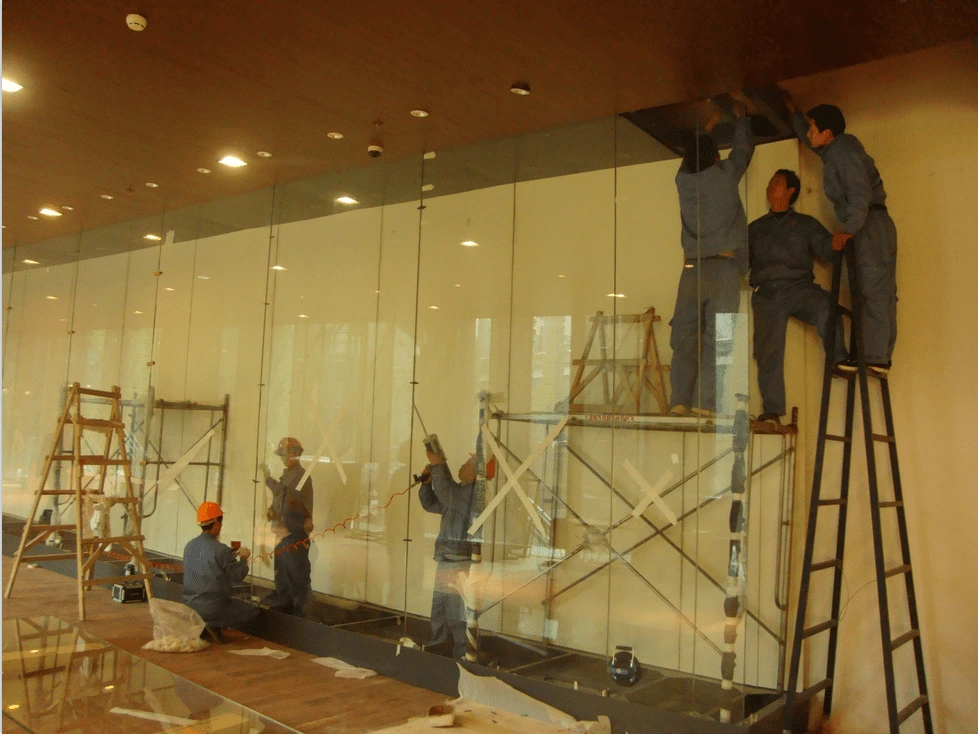
For the display units holding the artworks, Schott Amiran low-reflection glass from Germany was used. For the other sections, ultra-clear glass was chosen to maintain the display quality and save cost.
In addition to the glass, only steel and aluminum alloys were allowed in the case’s construction.
Relicase used aluminum honeycomb composite panels imported from Canada as the back and bottom structure boards.
These panels were coated with water-based metallic paint from ICI, a British company.
The case stood 3.9 meters high, with the top structure hidden in the ceiling, making the design clean and elegant.
A 3mm armor was also installed at the back of the case to prevent potential damage from electric tools or firearms, ensuring maximum protection for these valuable artworks.
The art director of the French Pavilion, Laurent Rondet, and experts from the Musée d’Orsay visited the site for inspection. The display cases were designed, manufactured, and built to the highest French environmental quality standards and fully complied with international museum exhibition guidelines and safety regulations.
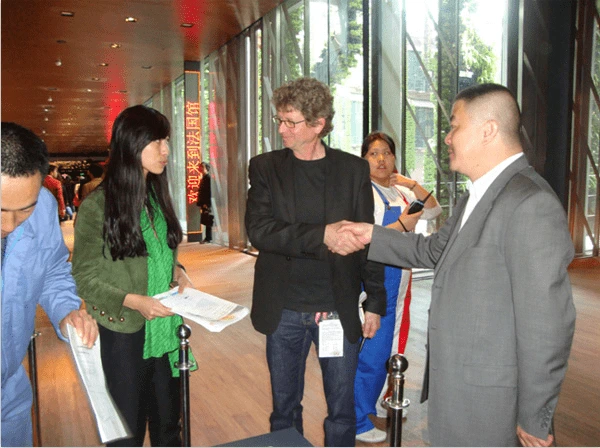
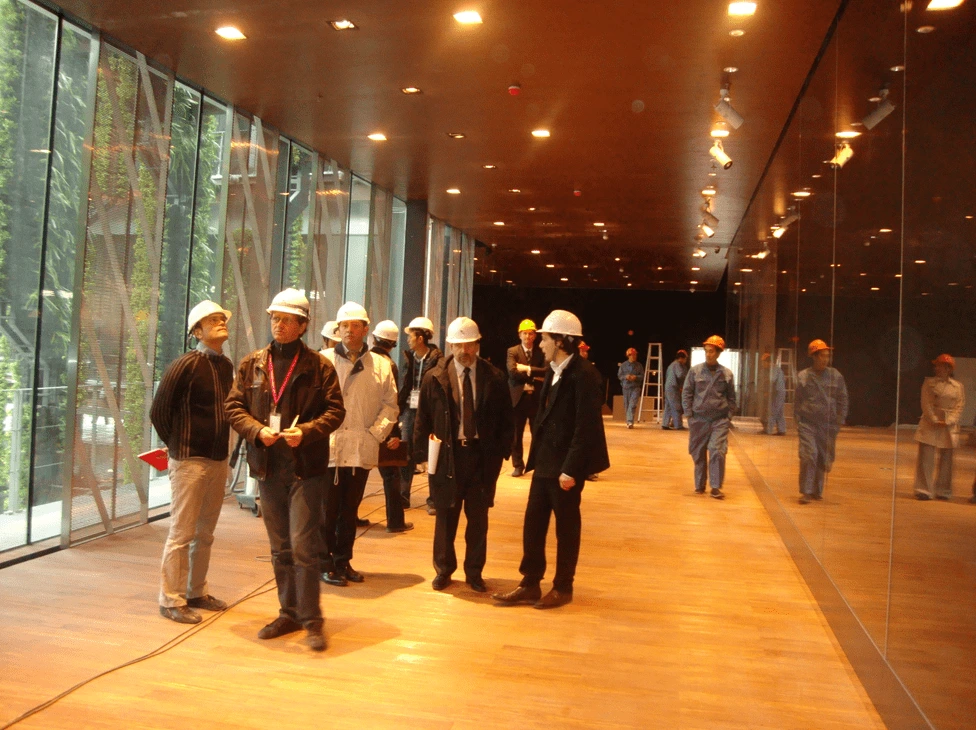
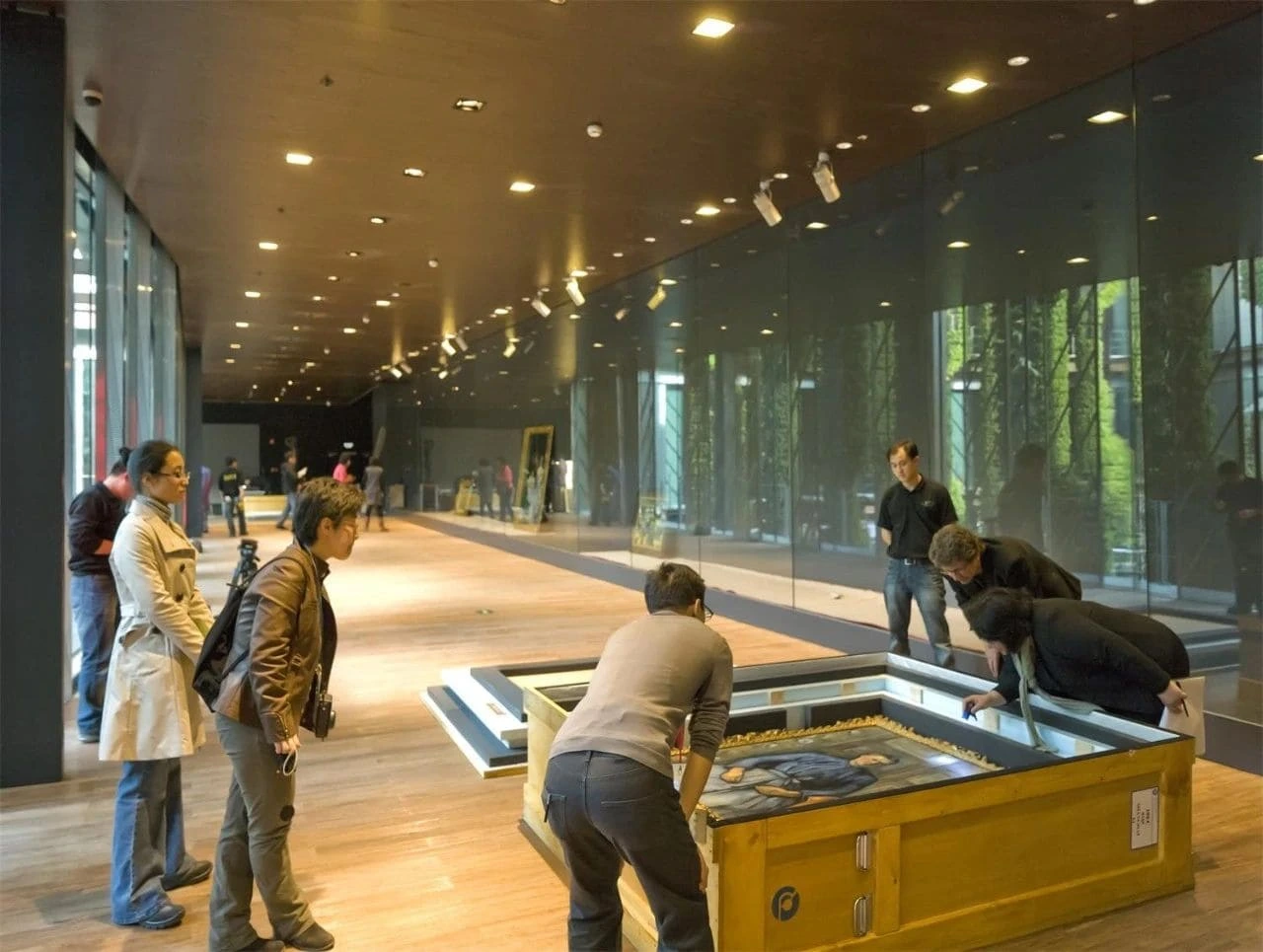
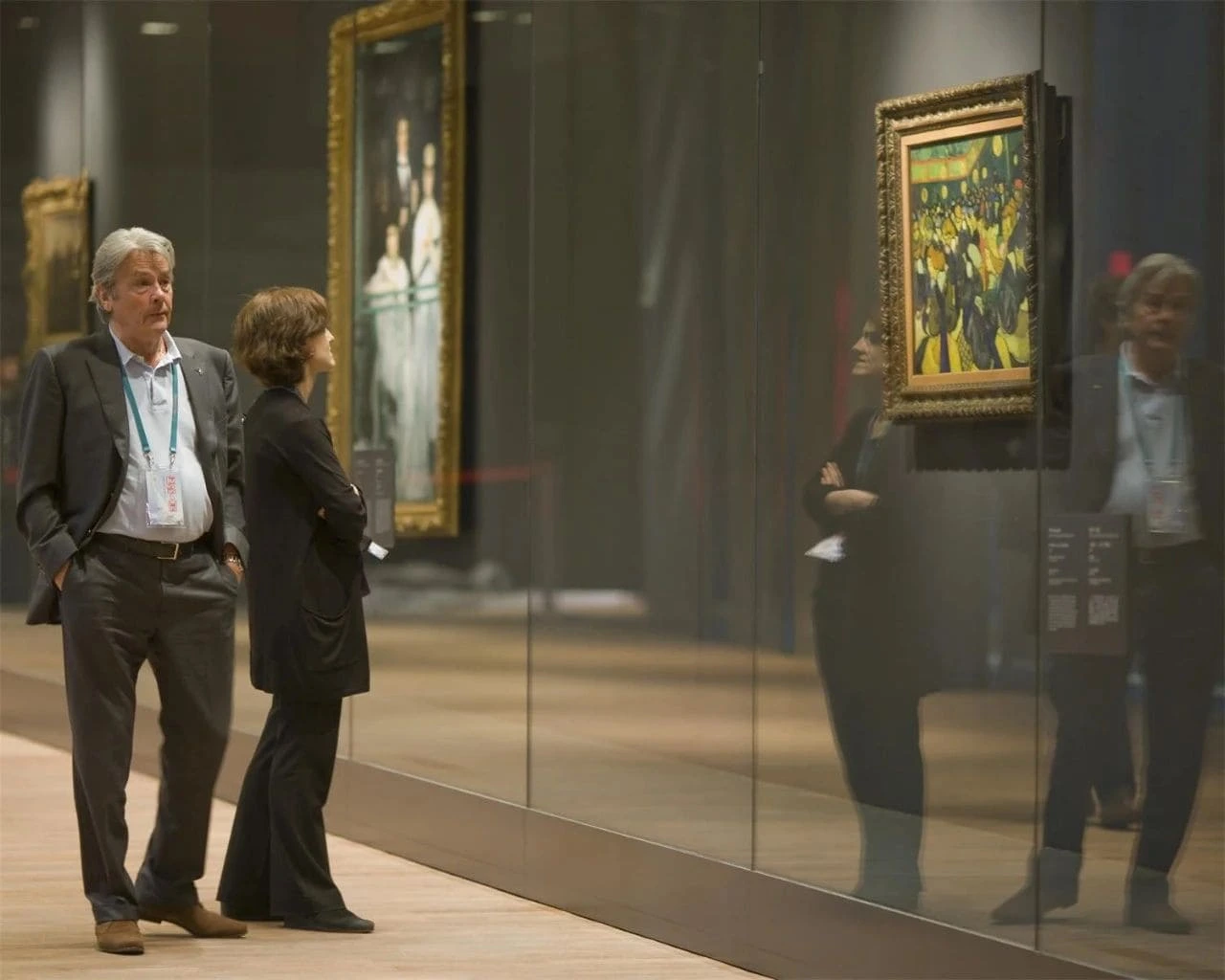
Back then, French Pavilion representatives, including legendary French actor Alain Delon, and former French President Nicolas Sarkozy, accompanied by his wife Carla Bruni, also visited the exhibition.
This is the story of Relicase’s work with the Shanghai World Expo and the Musée d’Orsay.
Twenty-four years have passed, and today, the French Pavilion has been transformed into the Power Station of Art in Shanghai. But Relicase continues to follow its original vision, constantly innovating and moving forward. It has provided products and technical services to over 400 museums, art galleries, libraries, and other cultural institutions in 17 countries and regions, as well as to international exhibitions and private collectors, always striving for the future.
More Articles & Videos
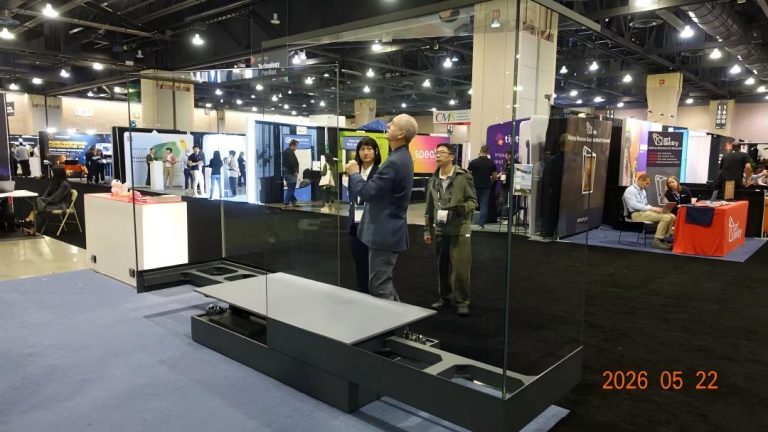
Relicase Debuts at AAM Philadelphia: Showcasing Chinese Intelligent Manufacturing, Connecting Cultural Landmarks
From May 20 to 23, 2026, the 2026 Annual Meeting & …
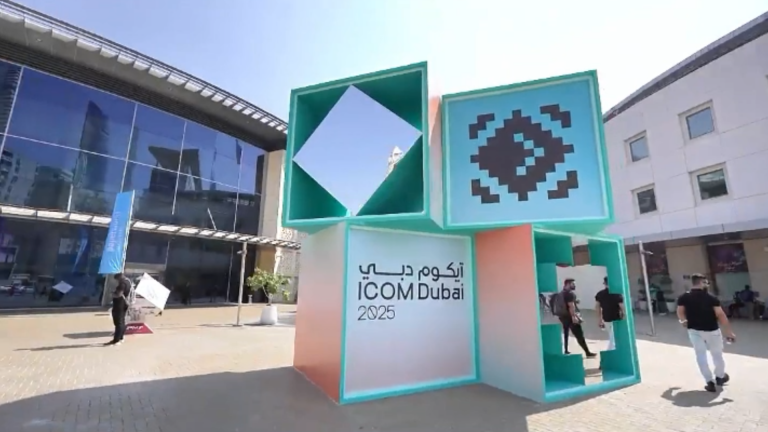
Relicase: Exhibit in Dubai, Engage with the world.
On November 12th 2025, the 27TH ICOM GENERAL CONFERENCE…
Museum Showcase Excellence: How Relicase Brought Ancient Shu Treasures to 300,000+ Visitors
Over 300,000 Visitors!Ancient Treasures of Shu Shine in…
Relicase at Macau Museum: Safeguarding Heritage, Celebrating Legacy
Macau Museum: “Edification of the Masses — Cultur…
Potala Palace
Abstract On April 26, 2017, Relicase completed the show…
Porcelain Tower of Nanjing
Abstract The Porcelain Tower of Nanjing, named and cons…