
Display cases are an essential part of museum furniture
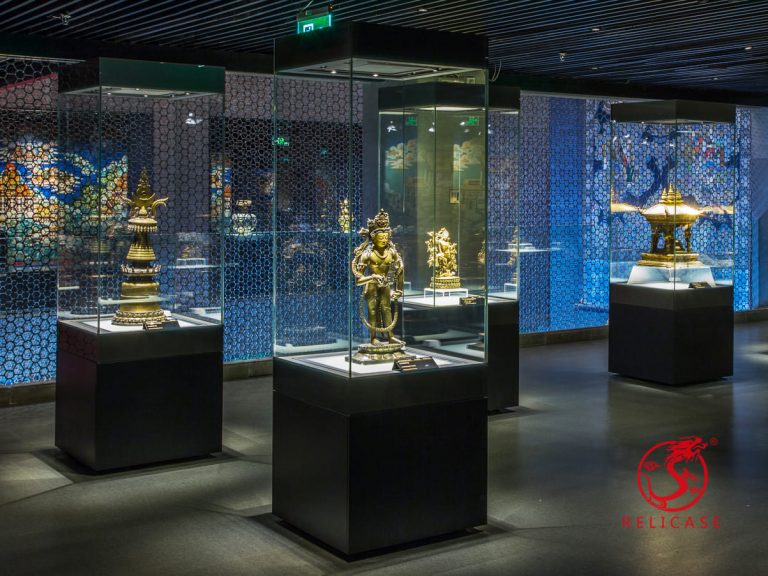
Display cases are an essential part of museum furniture, as they serve to protect and showcase valuable artifacts, artworks, and historical objects. Here are some common types of display cases used in museums. They play a crucial role in the preservation, presentation, and security of valuable artifacts and objects on display. Here are some reasons why display cases are important in museums:
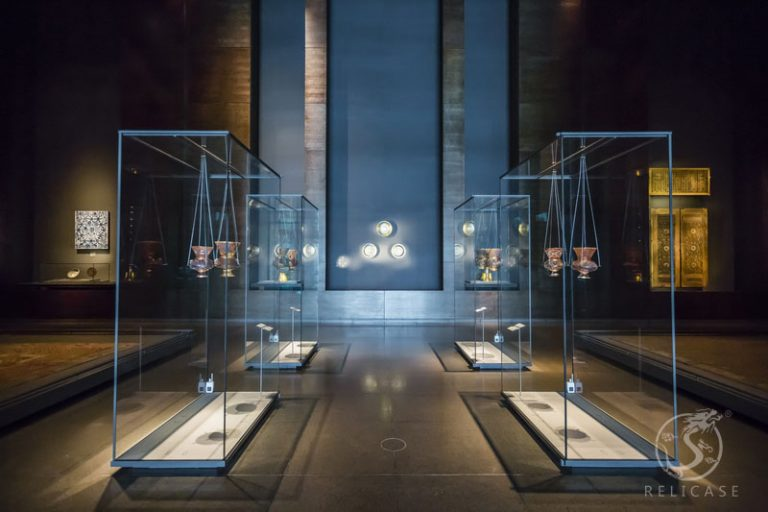
1. Protection:
Display cases provide a protective barrier between the artifacts and the environment. They help safeguard objects from dust, pollutants, UV radiation, and fluctuations in temperature and humidity, which can cause damage or deterioration.
2. Conservation:
Display cases can be designed to create a controlled microclimate, maintaining stable environmental conditions necessary for the long-term preservation of delicate or sensitive objects. Climate-controlled cases help prevent damage caused by exposure to inappropriate environmental conditions.
3. Security:
Display cases with secure locking mechanisms and durable materials help protect artifacts from theft, vandalism, and accidental damage. They act as a physical barrier and provide peace of mind, allowing museums to display valuable items without compromising their safety.
4. Visibility:
Display cases are designed to optimize visibility and enhance the viewing experience for visitors. They feature transparent glass or acrylic panels that allow viewers to see the objects from various angles while minimizing glare and reflections.
5. Organization and Categorization:
Display cases provide a structured framework for organizing exhibits. They allow curators to categorize and group related objects together, creating a coherent narrative or thematic display that helps visitors understand the context and significance of the artifacts.
7. Interpretation:
Display cases often incorporate signage, labels, or interactive elements that provide information about the displayed objects. These help educate and engage visitors, allowing them to learn about the artifacts’ historical, cultural, or scientific significance.
8. Aesthetic Presentation:
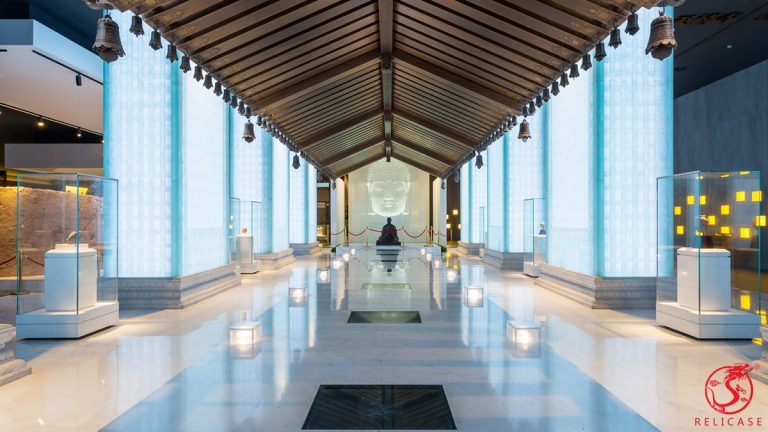
Display cases can be designed to complement the overall museum aesthetic and exhibition design. They can be customized in terms of materials, finishes, lighting, and arrangement to create visually appealing displays that enhance the overall ambiance of the museum.
Overall, display cases are essential tools that contribute to the effective presentation, protection, and interpretation of museum collections. They ensure the longevity of artifacts while providing an engaging and informative experience for museum visitors.
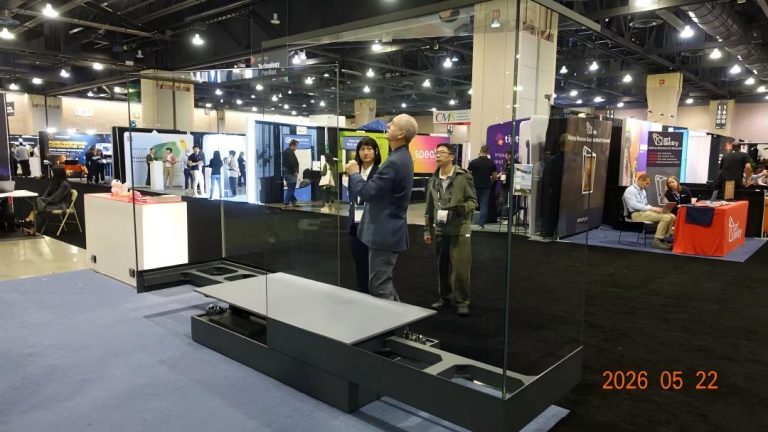
Relicase Debuts at AAM Philadelphia: Showcasing Chinese Intelligent Manufacturing, Connecting Cultural Landmarks
From May 20 to 23, 2026, the 2026 Annual Meeting & …

Relicase: Exhibit in Dubai, Engage with the world.
On November 12th 2025, the 27TH ICOM GENERAL CONFERENCE…
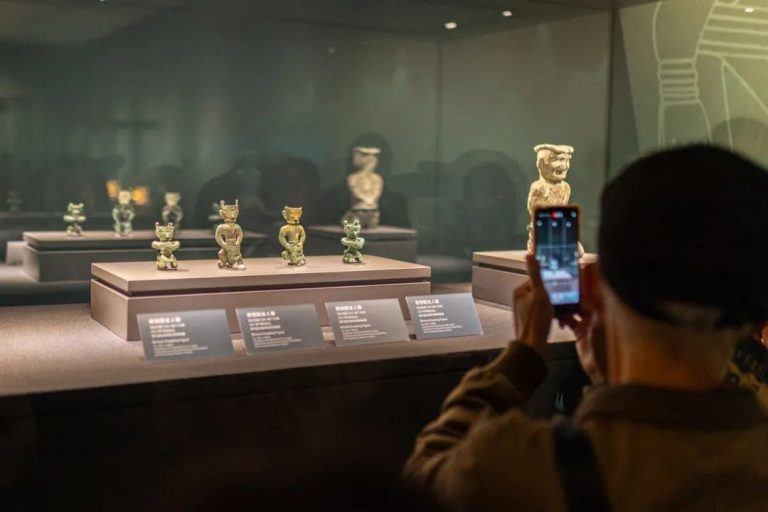
Museum Showcase Excellence: How Relicase Brought Ancient Shu Treasures to 300,000+ Visitors
Over 300,000 Visitors!Ancient Treasures of Shu Shine in…
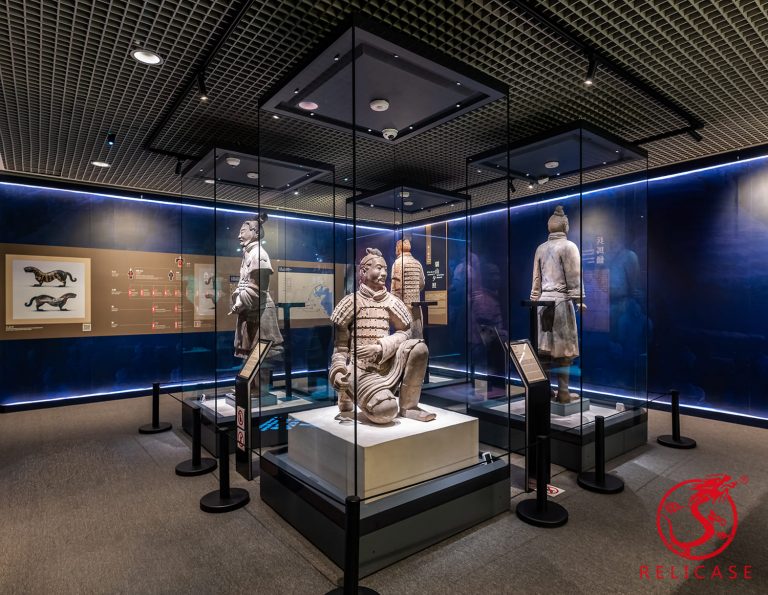
Relicase at Macau Museum: Safeguarding Heritage, Celebrating Legacy
Macau Museum: “Edification of the Masses — Cultur…
Potala Palace
Abstract On April 26, 2017, Relicase completed the show…
Porcelain Tower of Nanjing
Abstract The Porcelain Tower of Nanjing, named and cons…